
Reading aloud with kids may seem like an elementary daily activity, but it allows them to build their vocabulary, improves their emotional connection, and lays a solid foundation for lifelong learning.
The Importance of Reading Aloud
There is greater to being reading aloud to kids than just a fun bedtime ritual. It’s an effective tool for teaching children how to learn socially, emotionally, and academically.

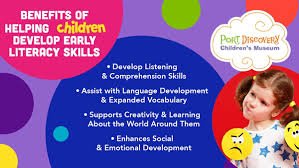
Enhances Language Development
Children learn new words, phrases, and sentence structures through reading aloud that they might not otherwise come across in casual conversations. Reading to your child helps them learn phonics, pronunciation, and the significance of words by introducing for them the melodies and rhythms of the language.
Studies show kids who frequently read have a vocabulary that is up to 40% larger than that of children who do not. Kids benefit from this increased exposure to languages by becoming more comfortable and communicate writers and speakers. You’re giving your child a linguistic treasure trove when you read aloud from books, especially those with complex language.

Builds Early Literacy Skills
Children discover how textbooks work as well as stories are put together using studying out loud, helping them improve their early literacy abilities. Read-aloud activities reinforce concepts such as reading from left to right, comprehending the function of punctuation, and realizing that words have meaning.
Children learn the introduction, problem, resolution, and conclusion of a story through repeated exposure to stories. As they grow, this understanding helps in how they grow as writers and readers.
Point to the words as you read them to maximize your reading time. When your child starts reading independently, it will be simpler for them to decode words because this small action helps them make the connection between spoken and written language.
Builds Emotional Connection
The emotional connection that reading aloud fosters between parents and kids is among its most lovely features. Storytime turns into a treasured ritual where your child feels connected, safe, and loved. A child’s general wellbeing depends on this emotional bond, which also fosters a favorable attitude toward reading.
Sharing stories with one another allows kids to safely explore relationships, emotions, and understanding. By learning to relate to the feelings of others through stories about a variety of characters and situations, children can develop their social skills and psychological awareness.
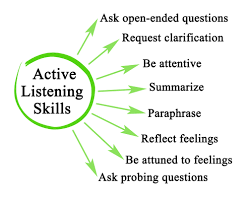
Advice: Use the storytelling time to discuss the emotions of the characters in the book. An example of an open-ended question is “How do you think the character feels?” or “How would you respond in this circumstance?” These conversations will help the child better understand the story and their own feelings.

Promotes Better Listening and Focus
In a world filled with digital distractions, developing strong listening skills is more important than ever. Reading aloud helps children practice focused listening, which is a critical skill for school and beyond. As children follow along with the story, they learn to pay attention, remember details and follow complex narratives—all skills that are essential for academic success.
Reading aloud also helps children develop a longer attention span. When they become absorbed in a story, they learn to focus for extended periods, making it easier for them to engage with longer texts as they grow older.
Pro Tip: Choose books that are slightly above your child’s reading level for read-aloud time. This exposes them to more challenging language and ideas while still offering the support they need to understand the story.
Ignites Imagination and Creativity
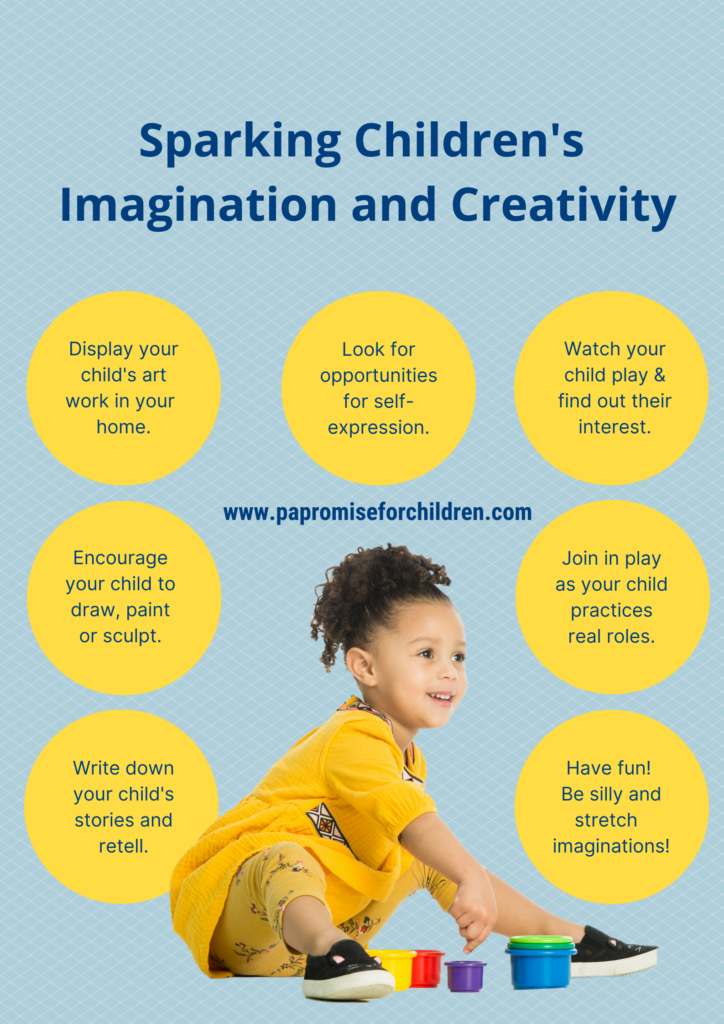
Books are like rocket fuel for a child’s imagination. When you read aloud, you’re inviting them to visualize magical castles, daring heroes and talking animals. This kind of imaginative play helps children think creatively and problem-solve in unique ways.
When children listen to stories, they visualize the events, characters and settings in their minds. This mental imagery helps them develop the ability to think creatively and imagine possibilities beyond their immediate environment.
Pro Tip: Encourage your child to draw or act out their favourite parts of the story after reading. This not only reinforces their understanding but also allows them to express their creativity.
How Reading Aloud Helps Brain Development
Science shows that reading aloud activates multiple areas of the brain, including those responsible for:
- Language Processing: Recognizing and understanding words.
- Visual Imagery: Creating mental pictures based on the story.
- Memory: Retaining details to follow the narrative.
This kind of multi-sensory engagement strengthens cognitive development and prepares children for success in school.
Tips for Making Reading Aloud Fun and Effective
Pick the Right Books
Choose stories that match your child’s interests and developmental level. For example:
- Ages 0-3: Board books with repetition and bright illustrations, like Brown Bear, Brown Bear, What Do You See?
- Ages 4-6: Picture books with engaging stories, such as Fix it Duck and Charlie and Lola – I am not sleepy, and I will not go to Bed.
- Ages 7-9: Early chapter books with humour and adventure, like The Magic Tree House series.
- Ages 10-12: More complex novels like Harry Potter and the Philosopher’s Stone.
Create a Cozy Reading Space
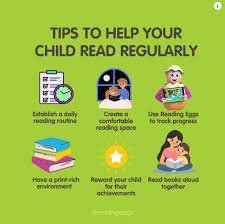
Make reading time special by setting up a comfortable spot with pillows, blankets and good lighting. A dedicated space can make the experience feel magical.
Use Expressive Voices
Bring characters to life with fun voices and dramatic pauses. Your enthusiasm will make the story more engaging and memorable.
Ask Questions
Pause during the story to ask open-ended questions like, “What do you think will happen next?” or “How would you feel if you were the main character?” This helps develop critical thinking and empathy.
Be Consistent
Whether it’s bedtime or a quiet moment after school, establish a regular reading routine. Even 15 minutes a day can make a big difference.
Reading Aloud for Older Kids
Think your child has outgrown being read to? Think again! Older kids still benefit from hearing stories. It introduces them to more advanced vocabulary and themes while sparking meaningful conversations about life and values. Plus, it’s a great way to stay connected as they grow.
Using Audiobooks as a Supplement
If life gets busy, audiobooks are a fantastic way to keep the reading habit alive. All our stories also have an audio version, making it easy to enjoy them together during car rides, while cooking, or as part of your bedtime wind-down.
Common Reading Aloud Challenges and How to Overcome Them
“My child won’t sit still!”
That’s okay. Let them play quietly or doodle while you read. Many kids process stories even when they’re moving.
“I’m not good at voices!”
Don’t worry. Just read with enthusiasm. A little variation in tone can make a big difference.
“We don’t have enough time!”
Even a few pages a day can make a big impact. It’s about quality, not quantity.
For more tips follow the below link
Conclusion: Make Reading Aloud a Daily Habit
Reading aloud to your child is one of the most valuable gifts you can give them. It’s a simple yet powerful way to enhance their language skills, boost their confidence and build a lifelong love for stories. By making reading aloud a part of your daily routine, you’re not just sharing stories—you’re creating memories, fostering connections, and giving your child the tools they need to succeed.
.